Nanhai No. 1: The Chinese Shipwreck Raised With Its Porcelain Still Inside
2026-11-24
In 1987, a salvage team searching for an East India Company shipwreck off the coast of southern China brought something unexpected up from the seabed: Chinese ceramics from a much older vessel. The ship they had stumbled upon had been underwater since the Song dynasty.
The discovery would become known as Nanhai No. 1. For archaeologists, the question was not simply how to retrieve the porcelain. It was how to protect the ship and everything around it long enough to understand why the ceramics had been there in the first place.
Twenty years later, the answer involved lifting not just the ship, but a section of the seabed with it.
A shipwreck found while looking for another ship
Nanhai No. 1 was discovered near the coast of Guangdong, in the South China Sea. A British salvage company and China’s Guangzhou Salvage Bureau had been searching for an East India Company wreck when their equipment pulled up ceramics and metal objects from an entirely different ship.
The porcelain was a clue that the find was not the vessel the team had set out to locate. Archaeologist Zhang Wei, who later worked on the wreck, recalled that the operation had brought up more than 200 objects and damaged the ceramics in the process. Chinese authorities ordered the British side to stop work.
At that point, the wooden ship itself was still largely hidden. It lay under seawater and a thick layer of silt. There was no simple way to see how much of the vessel survived or how its cargo was arranged inside.
The wreck was eventually named Nanhai No. 1, after the Chinese name for the South China Sea. The people aboard and the precise circumstances of its sinking remain uncertain. What the surviving evidence did suggest was that it had been a merchant ship carrying Chinese goods during the Southern Song dynasty, between the twelfth and thirteenth centuries.
What was inside Nanhai No. 1?
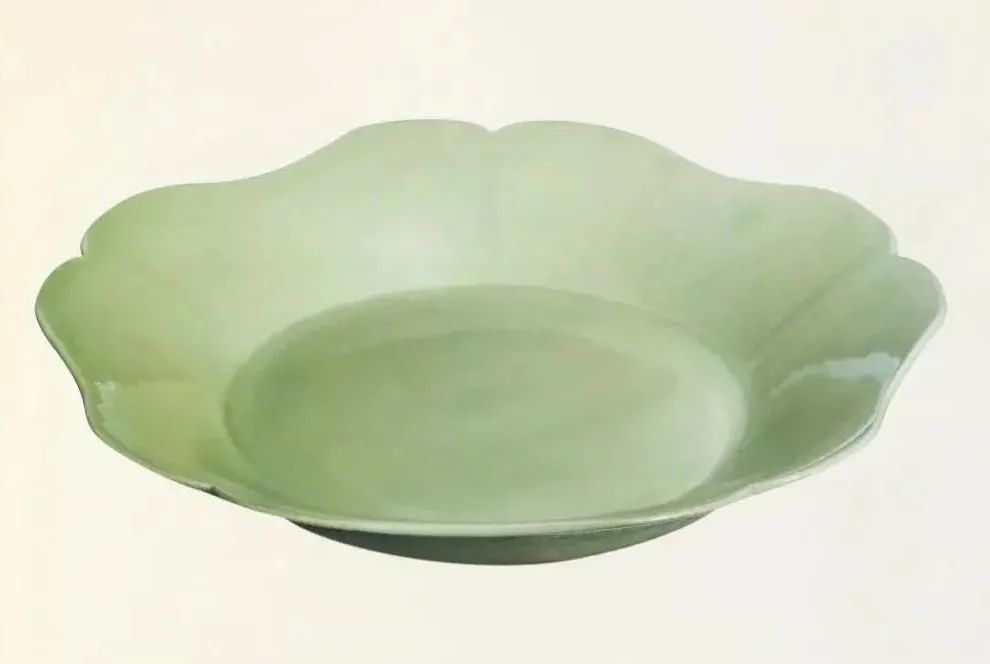
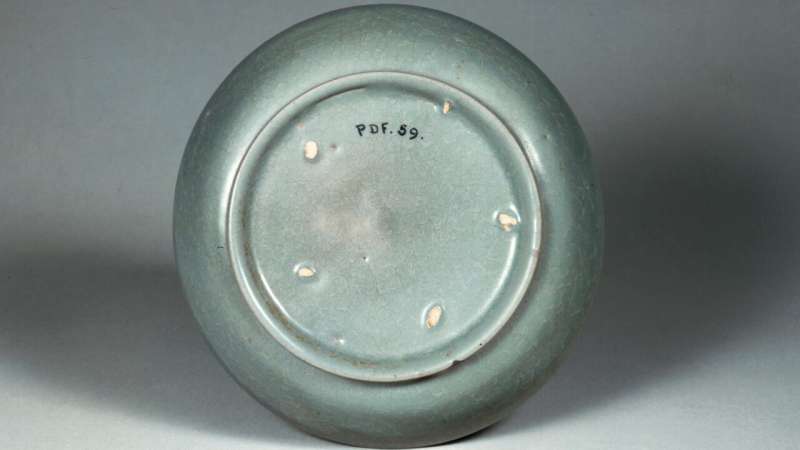
The ship’s ceramic cargo made it especially interesting. These were not simply a few personal possessions carried by a traveler. Archaeologists found large quantities of Chinese ceramics, alongside objects made from metal and other materials.
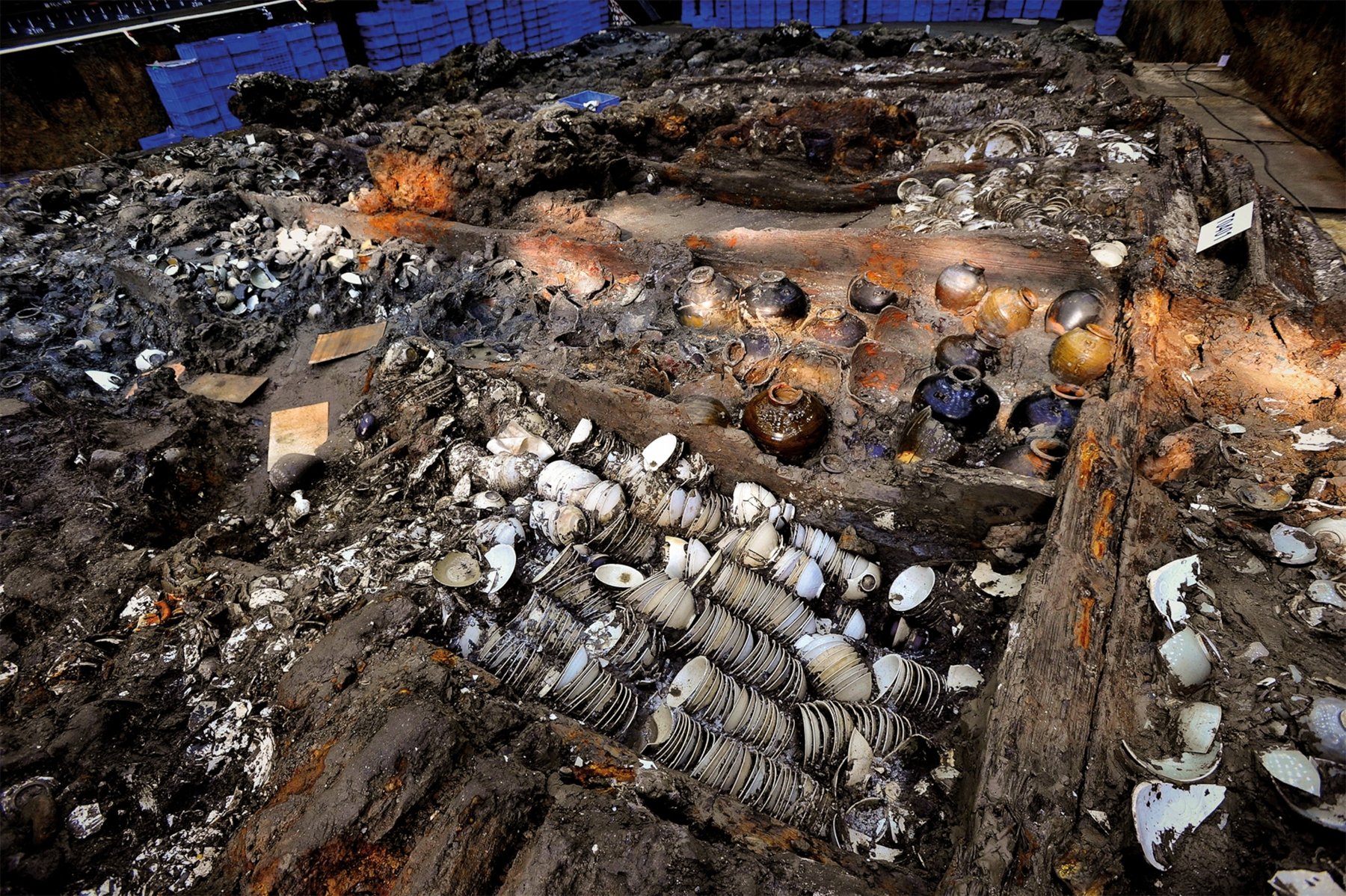
In the early 2000s, Zhang Wei’s team investigated the wreck more closely. According to a later Beijing Review account, the archaeologists entered a compartment where porcelain was piled up. Zhang recalled his response to the discovery: “I wanted to laugh and cry at the same time.”
The objects could tell researchers more when studied in relation to one another than they could as isolated pieces in a display case.
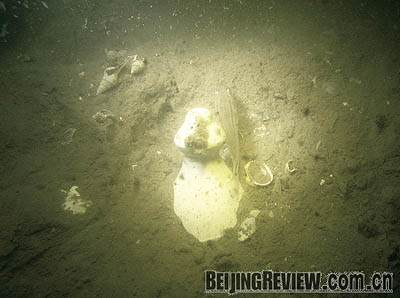
Image Source: Liu Zhiyuan / Beijing Review
The ship also offered a rare setting for the ceramics. A bowl from a kiln site can help explain how it was made. A bowl still associated with a ship’s cargo can also raise questions about how goods were gathered, packed and sent to sea.
That does not mean the wreck reveals every step of the journey. Researchers have suggested destinations in Southeast Asia or farther west, but the surviving evidence does not establish exactly where this particular voyage was meant to end. Nor does the cargo explain, on its own, why the ship sank.
Why was the Nanhai No. 1 shipwreck lifted with the seabed?
The layer of silt that concealed Nanhai No. 1 had also helped protect it. The wreck had spent centuries in a low-oxygen environment, and the surrounding sediment supported its fragile remains. Removing the wood and cargo piece by piece underwater risked losing information about where things had been found, as well as damaging the vessel itself.
The team decided on an unusually ambitious alternative. Instead of emptying the ship and raising its hull separately, they would lift the wreck together with the sediment surrounding it.
To do that, salvagers constructed a large steel enclosure around the ship. The bottomless structure was pushed into the seabed, and divers worked to place steel beams underneath. Plates were then inserted between the beams to help create a base. It was a way of turning a patch of seabed into a container that could be lifted.
The work was far from straightforward. According to a contemporary report, a particularly hard layer of mud slowed the placement of the beams. The team had to finish supporting the weight below before the wreck could be brought up safely.
In December 2007, the enclosure, the ship and the surrounding silt were raised together. The operation did not reveal a neat wooden vessel ready for immediate display. Much of the ship remained buried. But the lift preserved a valuable possibility: archaeologists could continue their investigation on land, with the relationship between the wreck, its cargo and the sediment still available to study.
From the South China Sea to a museum pool
Nanhai No. 1 was taken to the Guangdong Maritime Silk Road Museum in Yangjiang, where a large pool was prepared for it. The museum setting allowed researchers to control conditions around the wreck while working on a ship that had spent centuries underwater.
There, the slow work of excavation could continue. In September 2009, an initial investigation inside the museum recovered more than 200 porcelain and stone objects from the ship. The work was also intended to help archaeologists assess the vessel’s condition and plan its conservation.
A larger examination began in 2013. Instead of treating the raised enclosure as a finished exhibit, researchers approached it as an archaeological site: sediment had to be removed carefully, and objects had to be recorded as they came into view.
That distinction matters. A single ceramic plate might be beautiful on its own, but its position among other plates, containers or ship timbers can preserve a different kind of evidence. It helps researchers ask not only what an object looked like, but how it was carried and what else traveled with it.
The museum pool gave Nanhai No. 1 a strange second life. It was no longer a ship at sea, yet the story of its cargo was still being uncovered from within the material that had buried it.
What Nanhai No. 1’s porcelain can—and cannot—tell us
The wreck belongs to a period when Chinese ceramics were moving through maritime trade networks. Its cargo shows that many vessels were assembled for a journey, not simply made and left near the kiln.
Some of the cargo has offered clues to when the journey took place. A brown-glazed jar recovered in 2018 bore a mark for the tenth year of the Chunxi reign: 1183. Other clues, including coins and an inscription on a porcelain jar, led researchers to suggest that the ship sank in 1183 or not long afterward.
Researchers have also looked for the origins of individual groups of ceramics. One study compared Dehua-style porcelain from the wreck with material from kiln-producing areas, looking for chemical differences that could help trace the wares to particular production centers.
Neither a date nor a kiln connection provides a complete itinerary. They cannot tell us who was waiting for every piece of cargo, or exactly where the ship would have called next. But together, these clues begin to restore the interrupted journey: from workshops where the vessels were made, to the hold where they were packed, to the sea that kept them for eight centuries.
References
- Chen, L. (2007, August 31). Exploration of the Nanhai No.1. China.org.cn. http://www.china.org.cn/culture/2007-09/10/content_1222723.htm
- Development Bureau, Government of the Hong Kong Special Administrative Region. (2024, October 13). “Nanhai I” unravels the mystery of the Maritime Silk Road. https://www.devb.gov.hk/en/home/my_blog/index_id_1568.html?p=1&y=2024
- Li, L. (2008, May 3). Sunken treasure. Beijing Review. http://www.bjreview.com.cn/nation/txt/2008-05/03/content_114099_2.htm
- Li, L. (2009, October 16). Treasures from a watery grave. Beijing Review. http://www.bjreview.com.cn/e-mail/2009-10/16/content_224970.htm
- Xinhua. (2013, November 29). China examines treasure wreck. China News Service. http://www.ecns.cn/2013/11-29/90686.shtml
- Xu, W., Chen, Z., Xiao, D., Ye, D., & Yang, Z. (2025). Unveiling maritime trading practices: Micro-provenance analysis of Dehua-style porcelain from the Nanhai I shipwreck. Antiquity, 99(404), 517–535. https://doi.org/10.15184/aqy.2024.204
- Zhong, K. (2022, June 14). China kept this 800-year-old shipwreck a secret for decades. National Geographic. https://www.nationalgeographic.com/history/history-magazine/article/china-kept-this-800-year-old-shipwreck-a-secret-for-decades